
Why are people saying Generative Engine Optimization (GEO) is the future of search?
Learn how Generative Engine Optimization (GEO) helps AI understand and surface your content in the new era of search and answer engines.
The Changing landscape of search
There is a lot of information floating out there on the internet about the 'death of SEO' (search engine optimization) and the rise of all sorts of AI-related replacements. Truth is, the internet in its current form will still exist, and people will still be searching for content in a myriad of ways.
BUT, those search habits and tools are changing rapidly, and the scene is getting more complex. This article tackles a few key definitions and helps small businesses and organizations get started.
Generative Engine Optimization
According to ChatGPT (yes the irony is real), GEO is: "Generative Engine Optimization (GEO) is the practice of optimizing content specifically to be accurately interpreted, cited, or synthesized by AI-powered generative engines (such as ChatGPT, Gemini, or Claude) that generate answers based on large-scale data."
Unlike traditional SEO, which targets search engine rankings, GEO focuses on making content discoverable, understandable, and re-usable by AI language models during content generation.
To sum it up, the focus is less on generating clicks, and more on having conversations with AI and the people directing the AI. Sounds easy, but there are a lot of things that underpin this need.
It makes sense, these AI tools are built on language models, right? So the key is to find what you are an expert at, and begin to create content that ties back to that in ways that AI tools can read and understand that you truly are an expert.
The key is to find what you are an expert at, and begin to create content that ties back to that in ways that AI tools can read and understand that you truly are an expert.
Its hard and time consuming, there is no easy button, there never was (SEO consulants be damned!).
How to get started with Generative Engine Optimization
GEO can be overwhelming, but the good news is there are places you can start that help you create better, more refined content that meets your audiences needs. You can set this in place today without a lot of technical knowledge.
Marketing folks have been doing this for years, you should listen to them when they talk about personas, content strategies, long form content, FAQ's. All these things are going to matter more! Do a little research or hire someone who an audit your current content strategy and begin evolving it to meet the day.
Here is the example from ChatGPT
In the prompt, after asking a contextual and very specific (and important!) question, the response from ChatGPT comes through. Often, sources are cited, but in this case, not so much.
So we asked; as you can see, Wikipedia owns the space for GEO when it comes to Harriers and their family tree. If you sell Harriers (which we are against hawks should be free!), you aren't even in the ballpark.
Answer Engine Optimization
Another term that is being used and is very similar (maybe they will become the same thing?), is the term Answer Engine Optimization (AEO). Answer Engine Optimization defined:
"Answer Engine Optimization (AEO) is the process of crafting and structuring content so that it is selected and displayed by answer engines, including systems (like Google’s SGE, Bing AI, or Perplexity) that deliver direct answers to user queries instead of linking to websites."
AEO aims to increase the chances that your content is chosen as the final response or source in these AI-generated answer boxes.
The Future of Marketing and Search
So what is the lesson in all of this? Its three things we need to consistently think about in marketing and search:
- What is the context and relevance of our expertise, and how do we understand that deeply?
- Who is our core audience(s), and how are we aligning our expertise with their needs and questions, as if they were sitting next to us asking us dumb questions about birds?
- Where do these tools that are growing exponentially in use get their information, how do they read and absorb new information, and how do we speak their language as well?
Tags
Related Articles
More from Marketing

How are associations applying AI for game-change results?
Thad Lurie of AGU discusses how associations can use AI to build trusted communities, improve data strategy, and drive member engagement through conne...
 pdf
pdf
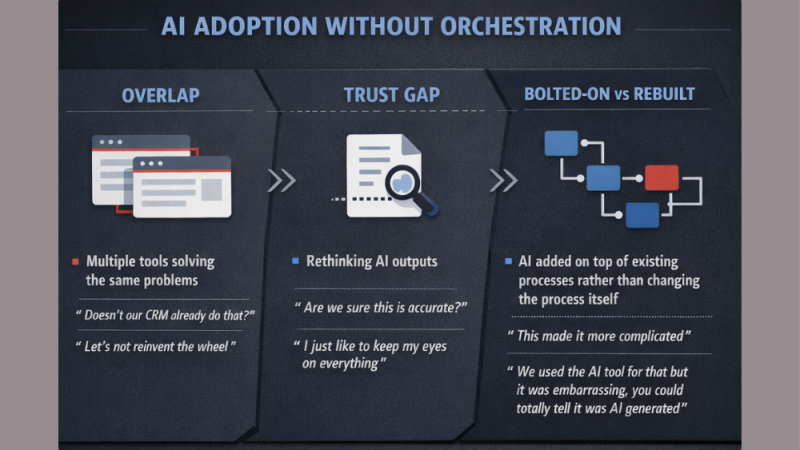
AI adoption without orchestration - infographic
An infographic highlighting risks of AI adoption without orchestration between key functional areas.
 pdf
pdf
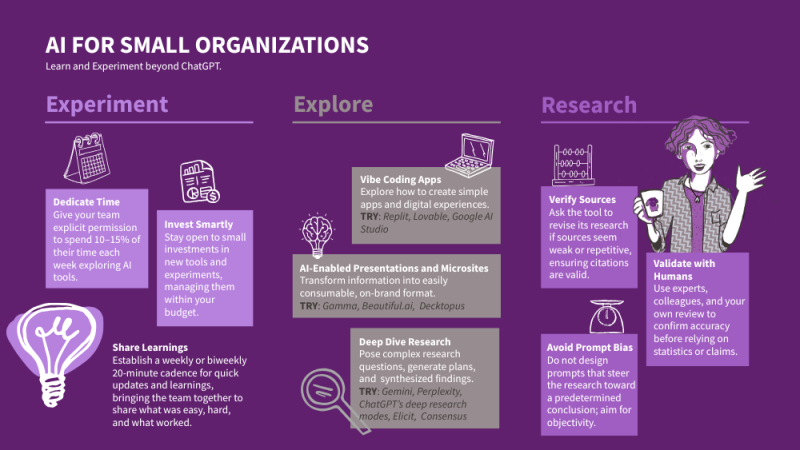
AI for small organizations
An overview of AI adoption for small organizations from harrierbiz.com.
Explore more insights
Discover more articles on marketing, technology, and AI adoption.